Stouffer’s Lasagna Cooking Instructions: A Comprehensive Guide (Updated 01/26/2026)
Stouffer’s lasagna is a convenient and beloved meal, but achieving optimal results requires understanding the nuances of cooking times and methods․
This guide provides detailed instructions for both oven and microwave preparation, ensuring a perfectly heated and delicious experience every time․
Stouffer’s lasagna has cemented its place as a cornerstone of convenient comfort food, readily available in freezer aisles across the nation․ For countless households, it represents a quick and satisfying solution to busy weeknights, offering a taste of homemade goodness without the extensive preparation time․ But beyond its convenience, Stouffer’s lasagna boasts a rich, layered flavor profile – a harmonious blend of savory meat sauce, creamy ricotta cheese, perfectly cooked pasta, and a golden, bubbly mozzarella topping․
However, unlocking the full potential of this freezer aisle staple requires a bit more than simply throwing it in the oven or microwave․ Understanding the factors that influence cooking times, such as whether the lasagna is frozen or thawed, and choosing the appropriate cooking method are crucial for achieving optimal texture and temperature․ This guide aims to demystify the process, providing a comprehensive overview of how to cook Stouffer’s lasagna to perfection, ensuring a consistently delicious and enjoyable meal․
Why Follow Cooking Instructions?
Adhering to the recommended cooking instructions for Stouffer’s lasagna isn’t merely a suggestion; it’s paramount for both food safety and quality․ Under-cooking can leave the lasagna frozen in the center, posing a potential risk of harboring harmful bacteria․ Conversely, overcooking can result in a dry, unappetizing dish, diminishing the enjoyment of this comfort food classic․
Stouffer’s meticulously tests its products to determine the optimal cooking times and temperatures, ensuring a thoroughly heated and flavorful experience․ These guidelines account for the lasagna’s density and ingredient composition․ Deviating significantly from these instructions can compromise the texture, leading to a soggy or tough result․ Following the directions guarantees the internal temperature reaches a safe 165°F, eliminating any potential health concerns and delivering a consistently satisfying meal․ Ultimately, proper cooking ensures a delicious and safe dining experience․
Oven Cooking Methods
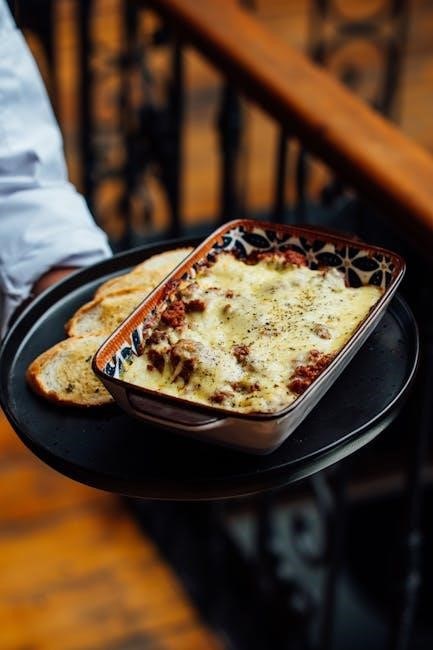
Oven cooking is the preferred method for Stouffer’s lasagna, yielding the best texture and flavor․ It allows for even heating and a delightfully browned, bubbly top․
Preheating the Oven
Preheating your oven is a crucial first step for successfully cooking Stouffer’s lasagna․ A properly preheated oven ensures even cooking throughout the lasagna, preventing a frozen center or overcooked edges․ The recommended preheating temperature is 375°F (190°C)․
Allow sufficient time for the oven to reach the desired temperature – typically around 15-20 minutes․ Using an oven thermometer is highly recommended to verify the accuracy of your oven’s temperature setting, as variations can significantly impact the cooking process․
Starting with a cold oven can lead to inconsistent results and potentially compromise food safety․ A consistent temperature from the beginning guarantees the lasagna reaches a safe internal temperature of 165°F, eliminating any harmful bacteria․ Don’t rush this step; patience is key to a perfectly cooked lasagna!
Frozen Lasagna Cooking Time
When cooking Stouffer’s lasagna from frozen, patience is essential․ The recommended baking time is typically between 60 to 70 minutes at 375°F (190°C)․ However, this timeframe can vary slightly depending on your oven and the specific type of lasagna․
To ensure even cooking, it’s best to cover the lasagna with aluminum foil for the majority of the baking time․ This helps retain moisture and prevents the top from browning too quickly․ After approximately 50-55 minutes, remove the foil to allow the top to achieve a golden-brown and bubbly finish․
Always verify the internal temperature reaches 165°F (74°C) before serving to guarantee it’s thoroughly heated․ Remember, these times are guidelines; checking for doneness is paramount for a safe and delicious meal․
Thawed Lasagna Cooking Time
Cooking Stouffer’s lasagna after thawing significantly reduces the baking time compared to starting from frozen․ Generally, a thawed lasagna requires approximately 45 to 55 minutes in the oven at 375°F (190°C)․ This shorter cooking duration is due to the absence of needing to first heat the frozen core of the dish;
Similar to frozen lasagna, covering the dish with aluminum foil for the initial 30-40 minutes is recommended to maintain moisture․ Removing the foil during the last 10-15 minutes allows for browning and bubbling․
Crucially, confirm the internal temperature reaches 165°F (74°C) with a food thermometer before serving․ While the time is reduced, ensuring thorough heating remains vital for both food safety and optimal enjoyment of this comforting meal․
Using Aluminum Foil
When oven-baking Stouffer’s lasagna, utilizing aluminum foil is a crucial step for achieving a moist and evenly heated result․ Covering the lasagna dish with foil for the majority of the cooking process—typically the first 30 to 40 minutes—effectively traps steam․ This prevents the top layer from becoming overly browned or dry before the center has fully heated through․
The foil acts as a barrier, slowing down evaporation and ensuring the lasagna retains its inherent moisture․ It’s particularly important when cooking from frozen, as it allows for more gradual and consistent heating․
Remember to use a generous amount of foil, sealing the dish tightly․ Later, the foil will be removed to allow for browning, but initially, it’s your ally in preventing a dry lasagna․
Uncovering for Browning
After the initial covered baking period – typically the last 10 to 15 minutes of the total cooking time – removing the aluminum foil is essential for achieving that desirable golden-brown and slightly crispy top on your Stouffer’s lasagna․ This step allows direct heat to reach the surface, initiating the Maillard reaction, responsible for the appealing color and enhanced flavor․
Carefully remove the foil, being mindful of escaping steam․ Continue baking for the remaining time, closely monitoring the lasagna to prevent burning․ The cheese should be melted, bubbly, and lightly browned, while the sauce should be gently bubbling around the edges․
This final uncovered phase transforms the lasagna from simply heated through to visually appealing and texturally satisfying․ It’s the finishing touch that elevates the dish!
Checking for Doneness: Internal Temperature
Ensuring your Stouffer’s lasagna reaches a safe and optimal internal temperature is paramount for both food safety and quality․ The USDA recommends an internal temperature of 165°F (74°C) to eliminate any potential harmful bacteria․ Use a reliable food thermometer to verify doneness․
Insert the thermometer into the thickest part of the lasagna, avoiding contact with the baking dish․ Multiple readings from different spots are recommended for accuracy․ If the temperature hasn’t reached 165°F, continue baking in 5-10 minute increments, rechecking each time․
Reaching this temperature guarantees a thoroughly heated lasagna, with melted cheese, a bubbly sauce, and tender pasta layers․ Don’t rely solely on visual cues; a thermometer provides the most accurate assessment of doneness;

Microwave Cooking Methods
Stouffer’s lasagna can be quickly and conveniently heated in the microwave, offering a fast meal solution․ However, achieving even heating requires attention to power levels and rotation․
Microwave Cooking Time (General Guidelines)
Microwave cooking times for Stouffer’s lasagna vary depending on your microwave’s wattage and whether the lasagna is frozen or thawed․ As a general starting point, a frozen Stouffer’s lasagna typically requires approximately 10-15 minutes on high power․ However, this is a broad estimate, and checking for doneness is crucial․
For a thawed lasagna, the cooking time is significantly reduced, usually ranging from 5-10 minutes on high․ It’s always best to begin with the shorter end of the time range and add additional 30-second intervals as needed․ Remember that microwave wattages differ; a higher wattage microwave will cook faster than a lower wattage one․ Consistent monitoring and checking the internal temperature are vital to ensure the lasagna is heated thoroughly and safely․
These guidelines are intended to provide a baseline, but individual results may vary․ Always refer to the package instructions for the most accurate cooking time recommendations specific to your Stouffer’s lasagna variety․
Microwave Power Levels
When microwaving Stouffer’s lasagna, utilizing the correct power level is paramount for even heating and optimal texture․ While high power is often used for speed, employing a medium-high setting (around 70-80%) can yield superior results, preventing the lasagna from becoming rubbery or having cold spots․
Using high power exclusively can lead to uneven cooking, with the edges becoming overcooked while the center remains frozen․ A lower power level allows the heat to penetrate more gradually, ensuring the lasagna heats through consistently․ Some microwaves offer a dedicated “frozen food” setting, which automatically adjusts the power level and cooking time for optimal thawing and heating․
Experimenting with different power levels may be necessary to find what works best with your specific microwave․ Regardless of the power level chosen, frequent checks and rotations are essential for a perfectly heated Stouffer’s lasagna․
Rotating the Lasagna
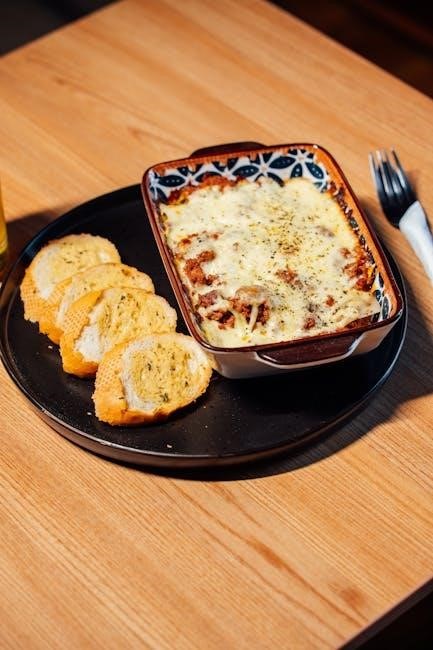
Consistent and frequent rotation is absolutely crucial when microwaving Stouffer’s lasagna․ Microwaves often create hot spots, leading to uneven heating․ Rotating the lasagna 180 degrees halfway through the cooking time – and even multiple times if necessary – ensures all parts of the dish are exposed to the microwave’s energy․
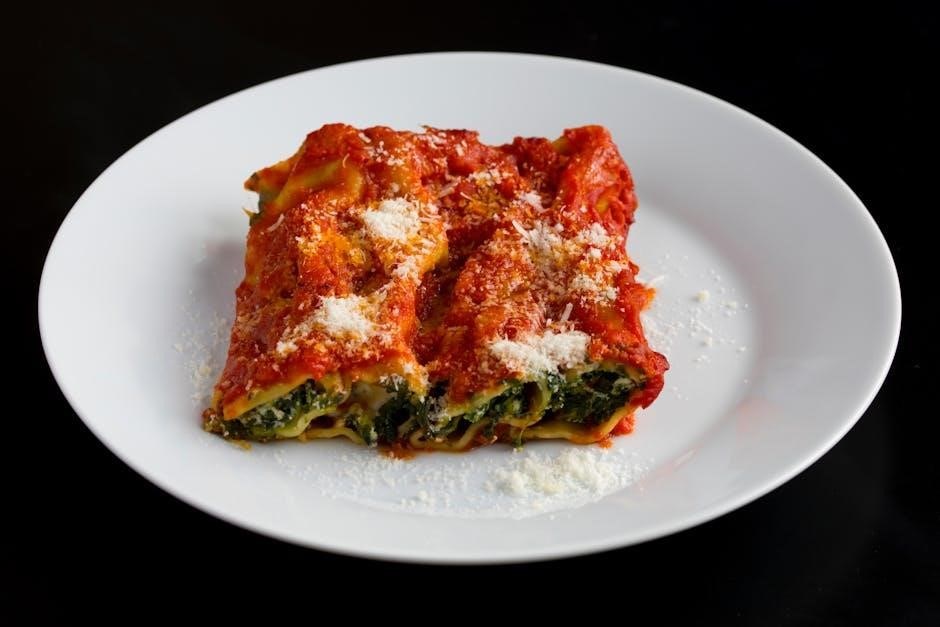
This simple step dramatically improves the overall cooking quality, preventing cold pockets in the center and overcooked edges․ It’s particularly important given the lasagna’s density and the potential for uneven thawing from a frozen state․
Don’t rely solely on the microwave’s turntable; manually rotating the dish provides more comprehensive coverage․ Combine rotation with utilizing a lower power level for the most evenly heated and enjoyable Stouffer’s lasagna experience․ Regular checks during rotation will help you assess doneness․
Checking for Doneness in the Microwave
Determining doneness when microwaving Stouffer’s lasagna requires a slightly different approach than oven baking․ Unlike relying solely on internal temperature, visual cues and texture assessment are key․ Carefully check for bubbling around the edges, indicating the sauce is heated through․ Gently insert a fork into the center; it should slide in with minimal resistance․
However, be cautious as the dish will be hot! If the lasagna still feels cold or firm in the center, continue microwaving in 30-second intervals, rotating each time, until fully heated․ Remember, microwave power levels vary, so these are guidelines․
Prioritize reaching a safe and palatable temperature throughout the entire dish․ A steaming hot center is the ultimate indicator of a perfectly microwaved Stouffer’s lasagna, ready to enjoy․ Always allow a short standing time after microwaving for even heat distribution․

Variations & Specific Stouffer’s Lasagna Types
Stouffer’s offers diverse lasagna options, including Classic, Vegetable, Meat Lovers, and Reduced Fat varieties, each potentially requiring slight adjustments to cooking times and preferences․
Stouffer’s Classic Lasagna
Stouffer’s Classic Lasagna remains a timeless favorite, offering a comforting blend of rich meat sauce, creamy ricotta cheese, and perfectly layered pasta․ When preparing this variety from frozen, a bake time of 60-70 minutes at 375°F (190°C) is generally recommended; For a thawed lasagna, reduce the cooking time to 45-55 minutes․
To ensure even heating, covering the lasagna with aluminum foil for the majority of the cooking process is advised․ This helps retain moisture and prevents the top from browning too quickly․ During the final 10-15 minutes, remove the foil to allow the cheese to melt and achieve a golden-brown, bubbly finish․ Always verify an internal temperature of 165°F (74°C) to guarantee thorough cooking and food safety․ Remember, these times are guidelines; slight variations may occur based on your oven․
Stouffer’s Vegetable Lasagna
Stouffer’s Vegetable Lasagna provides a delightful meatless option, packed with a colorful medley of vegetables in a flavorful sauce and creamy cheese layers․ Similar to the Classic variety, frozen Vegetable Lasagna typically requires 60-70 minutes of baking at 375°F (190°C)․ If starting with a thawed lasagna, shorten the cooking time to 45-55 minutes for optimal results․
Utilizing aluminum foil during the initial cooking phase is crucial for maintaining moisture and preventing excessive browning․ Remove the foil during the last 10-15 minutes to allow the vegetables and cheese to achieve a pleasing golden hue․ Confirming an internal temperature of 165°F (74°C) is essential for ensuring the lasagna is heated through and safe to consume․ Cooking times can vary slightly depending on your oven’s calibration, so monitoring is key․
Stouffer’s Meat Lovers Lasagna
Stouffer’s Meat Lovers Lasagna is a hearty and satisfying choice, brimming with layers of rich meat sauce, flavorful cheeses, and perfectly cooked pasta․ As with other Stouffer’s lasagna varieties, the frozen Meat Lovers Lasagna generally needs 60-70 minutes to bake thoroughly at 375°F (190°C)․ If you’ve previously thawed the lasagna, reduce the cooking time to 45-55 minutes to prevent it from drying out․
Covering the lasagna with aluminum foil for the majority of the baking time helps retain moisture and ensures even heating․ During the final 10-15 minutes, remove the foil to allow the meat and cheese to brown beautifully․ Always verify that the internal temperature reaches 165°F (74°C) to guarantee it’s heated all the way through and safe for consumption․
Stouffer’s Reduced Fat Lasagna
Stouffer’s Reduced Fat Lasagna offers a lighter take on a classic comfort food, without sacrificing flavor․ Cooking times are generally consistent with the original Stouffer’s lasagna, requiring approximately 60-70 minutes in the oven at 375°F (190°C) when starting from frozen․ If the lasagna has been thawed, reduce the baking time to 45-55 minutes to maintain its optimal texture and prevent dryness․
Utilizing aluminum foil during the initial baking period is recommended to lock in moisture, crucial for preventing the reduced-fat content from resulting in a drier dish․ Remove the foil during the last 10-15 minutes to achieve a golden-brown, bubbly top․ As with all Stouffer’s lasagna varieties, ensure the internal temperature reaches 165°F (74°C) for safe and thorough heating․

Nutritional Information & Considerations
Stouffer’s lasagna, while comforting, contains notable calories, fat, and sodium levels․ Understanding these nutritional aspects helps inform mindful consumption and dietary choices for health-conscious individuals․

Calorie Count
Stouffer’s lasagna calorie content varies depending on the specific variety, but generally, a single serving (typically around one-third of a 9×13 inch lasagna) contains a substantial number of calories․ The classic Stouffer’s lasagna, for instance, packs approximately 350-400 calories per serving․ This calorie density stems from the rich combination of pasta, cheese, meat sauce, and often, a béchamel sauce․
Reduced-fat versions aim to lower this number, often falling in the 280-320 calorie range per serving, but may compromise on the full-bodied flavor․ Meat Lovers lasagna tends to be on the higher end of the spectrum due to the increased protein and fat content from various meats․ It’s crucial to check the nutritional label on the specific Stouffer’s lasagna product you’re consuming for the most accurate calorie information․ Portion control is key when enjoying this comforting dish, especially for those monitoring their caloric intake․
Fat Content
Stouffer’s lasagna is known for its rich and satisfying flavor, a characteristic largely attributed to its significant fat content․ A standard serving of the classic lasagna typically contains around 18-22 grams of total fat, with a considerable portion coming from saturated fats – approximately 9-12 grams․ This saturated fat content contributes to the lasagna’s creamy texture and indulgent taste, but should be considered by individuals mindful of their heart health․
The Reduced Fat varieties offer a lower fat profile, generally around 10-14 grams of total fat per serving, though they may utilize alternative ingredients to maintain a palatable texture․ Meat Lovers lasagna, with its added meat components, often exhibits a higher fat content, potentially exceeding 25 grams per serving․ Always consult the nutrition facts panel on the packaging for precise details, as formulations can vary․ Moderation and mindful portion sizes are recommended when enjoying this flavorful dish․
Sodium Levels
Stouffer’s lasagna, while a convenient comfort food, is notably high in sodium․ A single serving of the classic variety can contain approximately 800-950 milligrams of sodium, representing a substantial portion of the recommended daily intake․ This high sodium content is primarily due to the processed ingredients, cheeses, and sauces used in the recipe․ Individuals monitoring their sodium intake, such as those with hypertension or heart conditions, should be particularly aware of this․
The Reduced Fat versions may offer a slightly lower sodium content, but often still remain relatively high, typically around 600-750 milligrams per serving․ Comparing nutrition labels across different Stouffer’s lasagna types is crucial for making informed choices․ Pairing lasagna with a side of fresh vegetables or a light salad can help balance the meal and mitigate the overall sodium impact․ Careful consideration of portion size is also recommended․
Ingredient Overview
Stouffer’s lasagna boasts a layered composition, beginning with rich pasta sheets․ The core features a blend of ricotta cheese, often combined with other cheeses like mozzarella and parmesan, creating a creamy texture․ A hearty meat sauce, typically beef-based, is generously incorporated, providing the savory foundation of the dish․ Tomato sauce, seasoned with herbs and spices, adds depth and moisture․
Variations, such as the Vegetable Lasagna, substitute meat with a medley of vegetables like spinach, zucchini, and carrots․ The Reduced Fat version utilizes modified cheese blends and leaner meat options to lower the fat content․ Common additives include wheat flour, vegetable oils, and various seasonings for flavor enhancement․ Understanding these core components allows for informed choices based on dietary preferences and nutritional needs․
Troubleshooting Common Issues
Stouffer’s lasagna can sometimes present challenges; however, simple adjustments can resolve them․ Common problems include uneven heating, dryness, or sogginess, easily addressed with adjusted cooking times․
Lasagna is Still Frozen in the Middle
Encountering a frozen center with your Stouffer’s lasagna is a frequent issue, typically stemming from insufficient cooking time or an oven temperature that’s too low․ If this happens, resist the urge to increase the heat drastically, as this can lead to a burnt exterior while the interior remains frozen․
Instead, the best course of action is to cover the lasagna loosely with aluminum foil and continue baking for an additional 15-20 minutes․ The foil helps trap heat and allows the center to thaw and cook through without over-browning the top․ After this extended period, remove the foil and bake for another 5-10 minutes to restore some crispness to the edges․
Ensure your oven is accurately calibrated; an oven thermometer is a worthwhile investment․ Also, confirm you’re using the recommended cooking time for a frozen lasagna – typically 60-70 minutes at 375°F (190°C)․ Finally, avoid overcrowding the oven, as this can hinder even heat distribution․
Lasagna is Dry
A dry Stouffer’s lasagna often results from overcooking or insufficient moisture during the baking process․ To combat this, ensuring proper coverage with aluminum foil for the majority of the cooking time is crucial․ The foil traps steam, preventing excessive moisture loss and keeping the lasagna hydrated․
If dryness occurs despite using foil, consider adding a tablespoon or two of water or tomato sauce to the bottom of the baking dish before covering it․ This creates additional steam during baking․ Also, reduce the overall cooking time slightly in future attempts․
Avoid prolonged exposure to high heat, as this will exacerbate dryness․ Checking the internal temperature with a food thermometer is recommended; remove the lasagna from the oven as soon as it reaches 165°F․ Allowing it to rest for 10-15 minutes after cooking can also help redistribute moisture․
Lasagna is Soggy
A soggy Stouffer’s lasagna typically indicates insufficient baking time or inadequate heat to properly evaporate excess moisture․ Ensure the oven is fully preheated to 375°F (190°C) before placing the lasagna inside; a lower temperature can lead to prolonged cooking and a soggy result․
For the last 10-15 minutes of baking, remove the aluminum foil to allow the top layer to brown and any remaining surface moisture to evaporate․ Avoid covering the dish with foil for the entire cooking time, as this traps too much steam․
If sogginess persists, slightly increase the baking time, checking the internal temperature frequently to avoid overcooking and dryness․ Ensure the lasagna is placed on a middle rack in the oven for even heat distribution․ Allowing the lasagna to rest for a few minutes after cooking can also help it firm up․