The revised English translation of the Order of Baptism of Children (OBC) became available January 6, 2020, with mandatory use beginning on Easter Sunday, April 12th․
This update, approved by the USCCB and Congregation for Divine Worship, signifies a renewed focus on the sacrament’s profound spiritual significance․
Historical Context of Baptismal Rites
Baptism’s roots extend to the earliest days of Christianity, evolving from the ritual immersions practiced by John the Baptist․ These early rites symbolized repentance and purification, foreshadowing the cleansing offered through Christ․
Throughout history, the form of baptism has varied, yet the core meaning – entry into the Christian community and remission of sin – remained constant․ The 2020 revision builds upon this tradition, referencing biblical events like the Great Flood and the Red Sea crossing as prefigurations of baptism’s transformative power, as noted in supporting documentation․
This historical continuity underscores the enduring significance of the sacrament․
The Need for Revision: Updates to the Rite
The revision of the Order of Baptism stemmed from a desire for greater clarity and enhanced theological depth․ Existing translations, while adequate, benefited from refinement to more accurately convey the sacrament’s richness․
Updates were also needed to align the English translation with the liturgical reforms initiated following the Second Vatican Council․ The USCCB, in conjunction with the Congregation for Divine Worship, undertook this project, culminating in the 2020 release, ensuring a more faithful and impactful celebration of baptism․
This revision aimed to strengthen the ritual’s symbolic power․
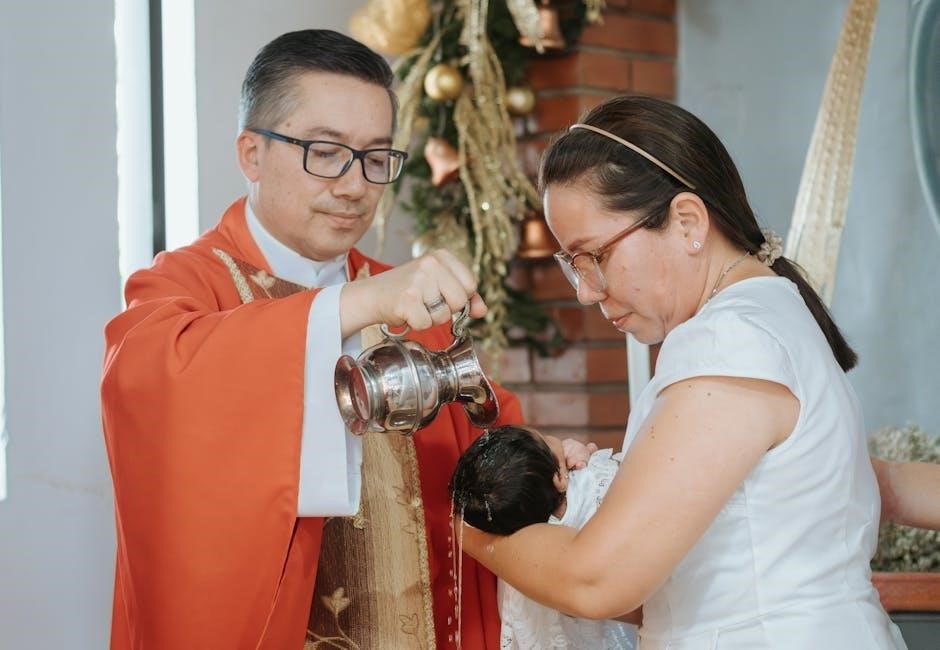
Key Changes in the 2020 Order of Baptism
Significant updates include revised introductory rites, alterations to the Liturgy of the Word, and modifications to essential baptismal elements, enhancing the overall experience․
Revised Introductory Rites
The 2020 revision places a stronger emphasis on the dignity of baptism, framing it as a doorway to life and the Kingdom of God․ These introductory rites now more clearly articulate baptism’s role in the remission of sin and the beginning of a new life in Christ․
The updated texts aim to deepen the congregation’s understanding of the profound spiritual journey the candidate and their family are embarking upon, fostering a more reverent atmosphere․ This includes refined prayers and welcoming addresses․
Changes to the Liturgy of the Word
The revised Liturgy of the Word within the 2020 Order of Baptism features updated scripture readings that more explicitly connect baptism to salvation history․ These selections highlight God’s saving actions throughout the Old and New Testaments, particularly referencing the flood and the Red Sea crossing․
The chosen readings emphasize baptism as a continuation of these saving events, signifying an end to sin and a new beginning of goodness; This strengthens the symbolic link between the ancient covenants and the new covenant in Christ․
Modifications to the Essential Elements of Baptism
The core elements of baptism—water, oil of catechumens, and holy chrism—retain their significance, but the accompanying prayers and gestures have been refined․ The blessing of baptismal water now includes more evocative language, recalling both purification and new life in Christ․
The anointing with chrism, signifying consecration and sealing with the Holy Spirit, is presented with enhanced clarity․ These modifications aim to deepen the understanding of each element’s symbolic weight and its role in imparting grace․
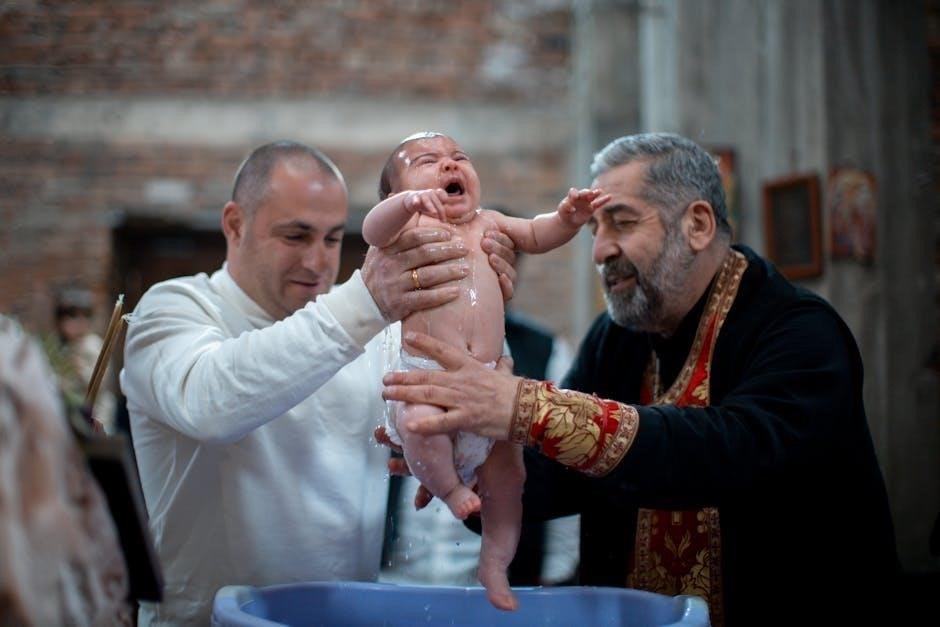
The Significance of the Revised Texts
The revisions emphasize baptism’s dignity as a doorway to life and the Kingdom, strengthening symbolism and enhancing the roles of parents and godparents․
Emphasis on the Dignity of Baptism
The 2020 revisions profoundly highlight baptism as the foundational sacrament, explicitly stating it’s “the door to life and to the Kingdom․” This isn’t merely a ritual cleansing, but a transformative entry into God’s grace․
The updated texts aim to convey a deeper understanding of baptism’s sacredness, emphasizing its power to initiate individuals into the Christian community and offer liberation from sin․
This renewed focus encourages a more reverent and meaningful celebration of the sacrament for all involved – the baptized, their families, and the entire congregation․
Strengthened Symbolism of Water and Oil
The revised Order of Baptism amplifies the symbolic weight of water and oil, drawing connections to salvation history․ Water is presented as recalling both the great flood – a sign of purification – and the Red Sea crossing, symbolizing liberation․
The use of chrism oil is also emphasized, signifying consecration and the bestowal of the Holy Spirit․
These enhanced symbolic elements aim to deepen the congregation’s understanding of baptism’s transformative power and its link to God’s saving actions throughout history․
Enhanced Parental and Godparent Roles
The 2020 revision places greater emphasis on the active participation of parents and godparents in the baptismal rite․ The updated texts highlight their responsibility to nurture the newly baptized in the faith․
Specifically, the role of presenting the child and professing belief is underscored, reinforcing the importance of their commitment to Christian upbringing․
This shift aims to strengthen the domestic church and ensure a supportive environment for the child’s spiritual growth․
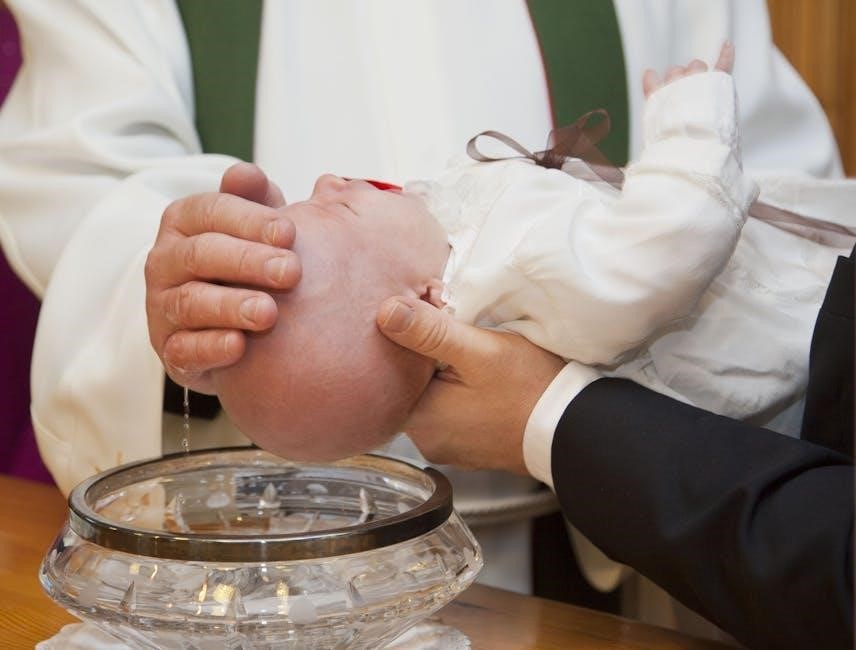
Implementation Timeline and Mandates
The Order of Baptism of Children (OBC) was first usable February 2, 2020, becoming mandatory on April 12, 2020 – Easter Sunday – across US dioceses․
First-Use Date: February 2, 2020
February 2, 2020, marked the initial date when priests within the United States could begin utilizing the newly revised English translation of the Order of Baptism of Children (OBC)․ This provided a period of familiarization before the mandatory implementation date․
Parishes were encouraged to prepare their liturgical teams and catechists, ensuring a smooth transition and a deeper understanding of the updated rites․ This preparatory phase allowed for training and resource distribution, fostering a consistent and reverent celebration of this essential sacrament․
Mandatory Use Date: April 12, 2020 (Easter Sunday)
April 12, 2020, the joyous celebration of Easter Sunday, became the definitive date for mandatory implementation of the revised Order of Baptism of Children (OBC) across all dioceses within the United States of America․
From this date forward, the previous edition of the Rite of Baptism for Children was no longer permitted for use․ This ensured uniformity in practice and a unified expression of faith, reflecting the updated theological and liturgical insights incorporated into the new order․
Geographical Scope: Dioceses of the United States of America
The implementation of the 2020 Revised Order of Baptism was specifically designated for the Catholic dioceses situated within the United States of America․ This focused rollout allowed for a coordinated transition and ensured consistent understanding and application of the new liturgical norms․
The United States Conference of Catholic Bishops (USCCB) oversaw this process, working in conjunction with the Congregation for the Doctrine of the Faith to facilitate a smooth and faithful adoption of the revised rite throughout the nation’s parishes․
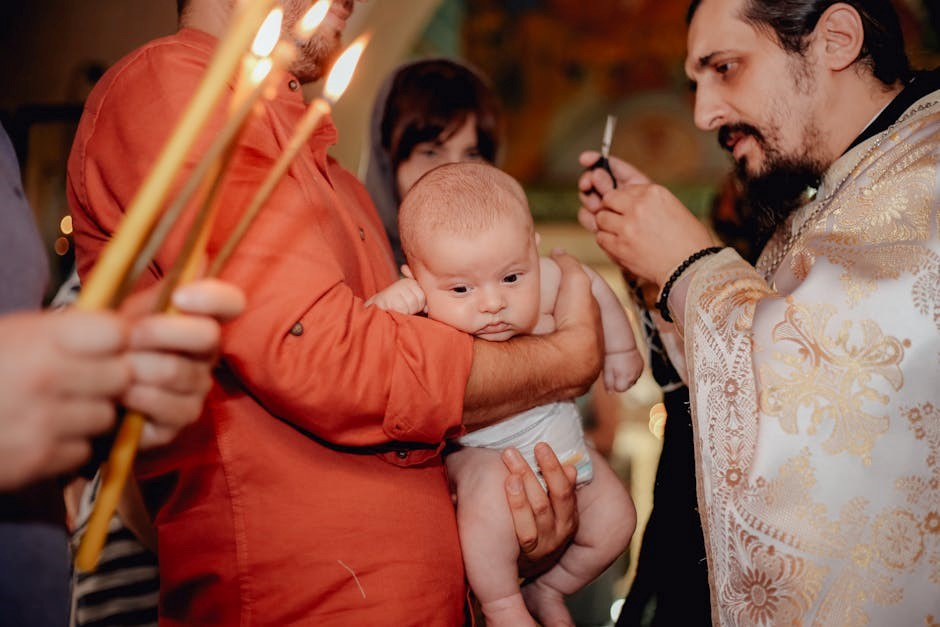
Specific Documents and Resources
Key resources include the Pontifical Rite of Baptism, the 1962 Rite of Baptism for Adults, and the Order of Baptism of Children (OBC) itself․
These documents, updated and available, provide the full text and supporting materials for proper implementation․
Pontifical Rite of Baptism
The Pontifical Rite of Baptism represents the complete liturgical book detailing the celebration of this sacrament․ It encompasses all the prayers, readings, and actions prescribed for various baptismal contexts․
This resource offers the full text of the rite, providing a comprehensive guide for clergy and those involved in preparing for and celebrating baptisms․ Access to this document is crucial for understanding the nuances of the revised order and ensuring faithful adherence to the updated guidelines established by the USCCB and the Congregation for Divine Worship․
It serves as the primary source for implementing the changes effectively․
Rite of Baptism for Adults (1962)
The 1962 Rite of Baptism for Adults remains a valuable historical document, offering insight into the pre-Vatican II liturgical practices surrounding adult conversion and baptism․
While the 2020 revisions primarily focus on the Order of Baptism of Children, understanding the earlier rite provides context for the evolution of baptismal theology and liturgical expression․ It’s available for reference alongside the updated materials;
However, for current practice, the revised Order of Baptism of Children is the mandated text for celebrations within the United States․
Order of Baptism of Children (OBC)
The Order of Baptism of Children (OBC) underwent significant revision, with the new English translation released in early 2020․
Its first-use date was February 2, 2020, becoming mandatory for all celebrations on Easter Sunday, April 12th․ This update, approved by both the USCCB and the Congregation for the Doctrine of the Faith, reflects a renewed emphasis on the dignity of the sacrament․
Parishes were advised to transition to the new edition by the specified date․
Authority and Approvals
The United States Conference of Catholic Bishops (USCCB), alongside the Congregation for the Doctrine of the Faith, approved the revised Order of Baptism․
Cardinal Daniel N․ DiNardo played a key role in this important liturgical update․
United States Conference of Catholic Bishops (USCCB)
The USCCB meticulously reviewed and formally approved the updated Order of Baptism of Children, ensuring its alignment with Catholic doctrine and liturgical principles․ This involved extensive consultation and revision processes, culminating in the June 10, 2019, approval documented at the General Secretariat in Washington, D․C․
Rev․ Msgr․ J․ Brian Bransfield assisted in the formalization of the decree, underscoring the USCCB’s commitment to providing a spiritually enriching and theologically sound baptismal rite for dioceses across the United States․
Congregation for the Doctrine of the Faith
The Congregation for the Doctrine of the Faith provided crucial oversight and final approval for the revised Order of Baptism of Children, affirming its theological integrity and conformity with the Church’s universal teachings․ This confirmation, issued from Rome on June 24, 2020 – the Solemnity of the Nativity of Saint John the Baptist –
Luis F․ Card․ Ladar oversaw this process, guaranteeing the updated rite’s fidelity to the core tenets of the Catholic faith and its suitability for implementation worldwide․
Cardinal Daniel N․ DiNardo’s Involvement
Cardinal Daniel N․ DiNardo, as President of the United States Conference of Catholic Bishops (USCCB), played a pivotal role in the approval and dissemination of the 2020 revised Order of Baptism of Children․ His signature appears on documentation from the General Secretariat of the USCCB, dated June 10, 2019,
demonstrating his commitment to ensuring a smooth transition and faithful implementation of the updated rite within the dioceses of the United States of America․
Detailed Examination of Ritual Components
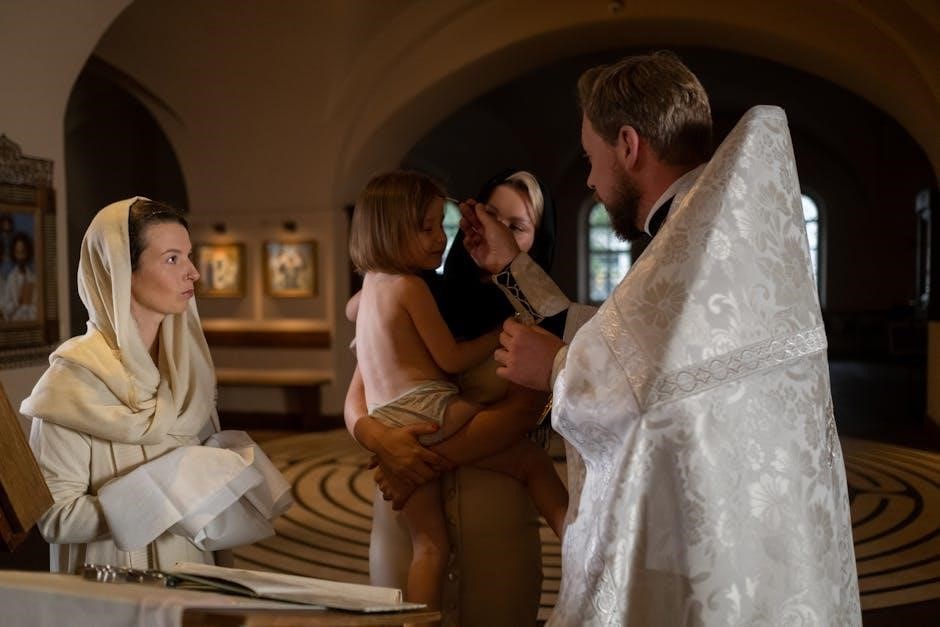
Key components include the Invocation of the Holy Spirit, the Blessing of Baptismal Water, and the Anointing with Chrism, all reflecting renewed theological depth․
The Invocation of the Holy Spirit
The revised rite places significant emphasis on the Invocation of the Holy Spirit, recognizing its crucial role in preparing both the water and the candidate for baptism․ This invocation isn’t merely a formulaic prayer, but a heartfelt plea for divine intervention․
It asks that the Holy Spirit descend upon the baptismal water, sanctifying it as a powerful symbol of purification and new life in Christ․ The priest’s prayer specifically recalls the biblical imagery of God’s Spirit hovering over the waters of creation, linking baptism to the very origins of life․
The Blessing of Baptismal Water
The blessing of the baptismal water is notably enriched in the 2020 revision, drawing heavily from scriptural references to water’s transformative power․ The prayers explicitly connect baptismal waters to the great flood and the Red Sea crossing․
These allusions highlight water as a symbol of both purification from sin and liberation from slavery, foreshadowing the freedom offered through Christ․ The blessing isn’t simply about consecrating water, but about recalling God’s saving actions throughout salvation history․
The Anointing with Chrism
The anointing with Chrism, sacred oil consecrated by the bishop, remains a central element, but the revised texts emphasize its significance in configuring the newly baptized as Christians․
This anointing signifies consecration as a priest, prophet, and king, mirroring Christ’s own threefold office․ The prayers accompanying the anointing now more explicitly articulate this connection, highlighting the recipient’s incorporation into Christ and participation in His mission․
Addressing Common Questions
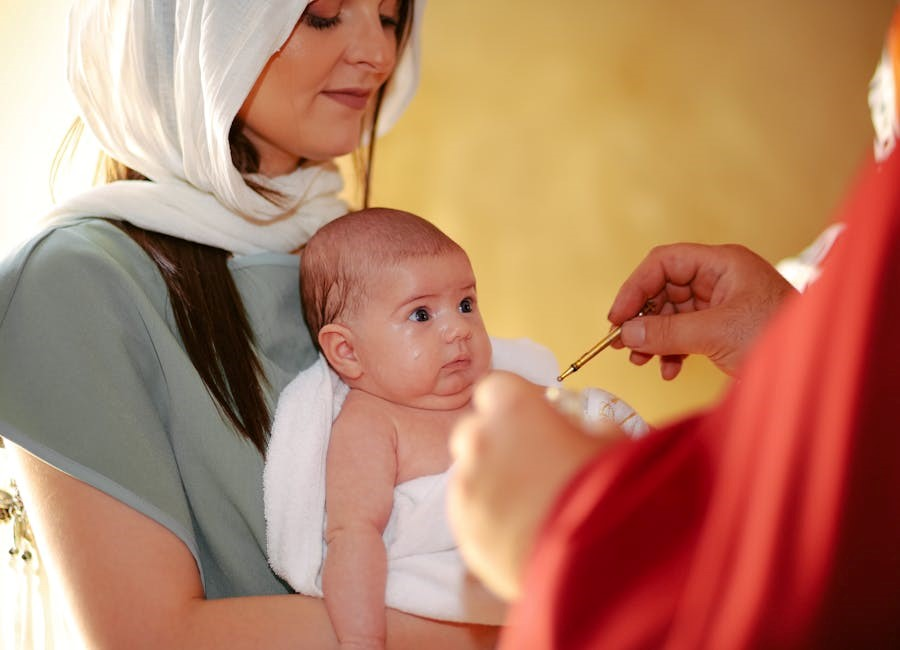
The OBC could be used as of February 2, 2020, but became mandatory on April 12th․ Previous editions are no longer permitted after Easter Sunday․
Can the Previous Edition Still Be Used?
No, the previous Rite of Baptism for Children may no longer be used after April 12, 2020, which was Easter Sunday․
The revised Order of Baptism of Children (OBC) was permitted for use starting February 2, 2020, providing a transition period for parishes․
However, the implementation became obligatory on Easter Sunday, ensuring uniformity in the celebration of this essential sacrament throughout the dioceses of the United States of America․
Clarification on Mandatory Implementation
The mandatory use of the revised Order of Baptism of Children (OBC) began on April 12, 2020, coinciding with Easter Sunday․
Prior to this date, parishes had the option to utilize the new translation, starting February 2, 2020, allowing for preparation and familiarization with the updated liturgical text․
This directive, issued by the USCCB and approved by the Congregation for Divine Worship, ensures consistent practice across all dioceses within the United States․
Availability of the Ritual Edition
The Ritual Edition of the revised Order of Baptism was first made available on January 6, 2020, providing parishes ample time to acquire the necessary materials before the mandatory implementation date․
This edition contains the complete text of the pontifical rite, alongside supporting documents crucial for proper celebration of the sacrament․
Parishes were encouraged to procure this edition promptly to ensure a smooth transition and consistent liturgical practice, aligning with the directives from the USCCB․
Impact on Pastoral Practice
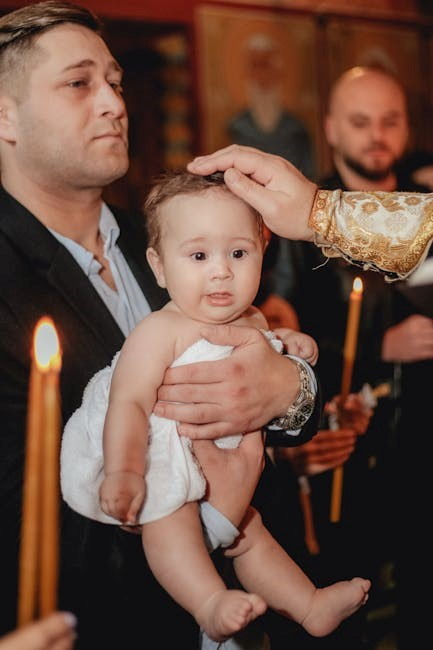
Priests, deacons, parents, and godparents require preparation for the revised rite, ensuring consistent celebration and a deeper understanding of baptism’s significance․
Training for Priests and Deacons
Comprehensive training for priests and deacons is crucial for the successful implementation of the 2020 revised Order of Baptism․ This training must focus on the nuances of the updated liturgical text, the revised rubrics, and the theological underpinnings driving these changes․
Understanding the enhanced symbolism of water and chrism, as well as the strengthened emphasis on the dignity of baptism, is paramount․ Effective training will ensure a unified and reverent celebration of this foundational sacrament across all parishes within the United States․
Preparation of Parents and Godparents
Enhanced preparation for parents and godparents is a key component of the revised Order of Baptism․ This preparation should clearly articulate the significance of their roles in nurturing the newly baptized child’s faith journey․
Focus should be given to the deepened symbolism within the rite, and the responsibilities associated with guiding the child towards a life rooted in the Gospel․ Resources should be readily available to facilitate meaningful engagement and understanding of this sacred commitment․
Ensuring Consistent Celebration of the Sacrament
Consistent celebration of the revised Order of Baptism is paramount following the mandatory implementation date of April 12, 2020․ Dioceses must ensure all priests and deacons are thoroughly trained in the new rites and texts․
Uniformity in practice will strengthen the communal understanding of baptism’s significance․ Utilizing the official resources from the USCCB and the Congregation for Divine Worship will facilitate this consistency across all parishes․
Theological Foundations of the Changes
Baptism is understood as the door to life and the Kingdom, signifying remission of sin and a new beginning in Christ, as emphasized in the revised rite․
Baptism as a Door to Life and the Kingdom
The revised Order of Baptism powerfully articulates baptism as the foundational sacrament, opening the gateway to eternal life and entry into God’s Kingdom․
This understanding is rooted in scriptural imagery, referencing the great flood and the Red Sea crossing as prefigurations of baptism’s transformative power․
Through baptism, individuals are liberated from sin and symbolically reborn into a new life, mirroring God’s holy people set free from slavery․
The updated texts reinforce this core theological principle, emphasizing baptism’s role as the first sacrament of the New Law․
Baptism and the Remission of Sin
The 2020 revised Order of Baptism explicitly connects the sacrament with the forgiveness of sins, building upon centuries of theological tradition․
The texts highlight how baptism brings about an “end of sin,” offering a fresh start and a pathway towards goodness․
This remission isn’t merely symbolic; it’s a real and transformative cleansing achieved through the waters of baptism․
The revised rite emphasizes this cleansing power, drawing parallels to the biblical narratives of purification and liberation from bondage․
Baptism as a New Beginning
The 2020 revision of the Order of Baptism powerfully portrays baptism not just as a cleansing, but as a genuine “new beginning․” This concept is central to the updated liturgical texts․
The rite draws connections to the story of the great flood and the Exodus, framing baptism as a liberation and a fresh start for the baptized․
It signifies entry into God’s Kingdom and a life transformed by grace, offering a renewed identity as a child of God;
This emphasis on newness underscores the transformative power of the sacrament․

Updates and Last Revision Dates
Key updates occurred on September 7, 2020, and August 27, 2020, with the initial revisions formally released on June 24, 2020—the Nativity of Saint John the Baptist․
September 7, 2020 Updates
The September 7, 2020, updates represent the most recent refinements to the 2020 Revised Order of Baptism․ These adjustments, stemming from ongoing review and feedback, aim to clarify specific liturgical elements and ensure consistent implementation across dioceses․
The USCCB continues to provide resources and guidance, emphasizing the dignity of baptism as a doorway to life and the Kingdom․ Further details regarding these updates are available on the official USCCB website, supporting priests, deacons, and lay faithful in proper celebration․
August 27, 2020 Updates
On August 27, 2020, updates focused on making readily accessible the full texts of key liturgical documents․ This included the Pontifical Rite of Baptism and the 1962 Rite of Baptism for Adults, providing comprehensive resources for liturgical preparation․
These updates facilitated a deeper understanding of the historical context and theological foundations underpinning the revised order, ensuring faithful adherence to the Church’s tradition while embracing the renewed expression of the sacrament;
June 24, 2020 – Nativity of Saint John the Baptist
Marking the Solemnity of the Nativity of Saint John the Baptist, June 24, 2020, saw formal approval from Rome through the Congregation for the Doctrine of the Faith regarding the revised Order of Baptism․
Cardinal Luis F․ Ladaria, S․J․, oversaw this crucial step, solidifying the legitimacy and authority of the new liturgical text for use within the dioceses of the United States of America, emphasizing its importance․

Resources for Further Study
The official USCCB website and the Congregation for Divine Worship offer comprehensive resources, including the Pontifical Rite of Baptism and related documents․
Official USCCB Website
The United States Conference of Catholic Bishops (USCCB) website serves as a central hub for accessing the 2020 Revised Order of Baptism materials․
Here, you’ll find the full text of the Pontifical Rite of Baptism, alongside supporting documents and updates released on September 7th and August 27th, 2020․
The site provides crucial information regarding implementation, including the mandatory use date of April 12th, and clarifies details about transitioning from the previous edition․ It’s a vital resource for priests, deacons, and pastoral leaders․
Congregation for Divine Worship and the Discipline of the Sacraments
The Congregation for Divine Worship played a key role in approving the 2020 revisions to the Order of Baptism, ensuring liturgical fidelity․
Their involvement, formalized with a decree issued June 24, 2020 – the Nativity of Saint John the Baptist – underscores the importance of these changes․
Resources and guidance stemming from this congregation support the USCCB’s implementation, emphasizing the sacrament’s theological foundations and proper celebration within the universal Church․